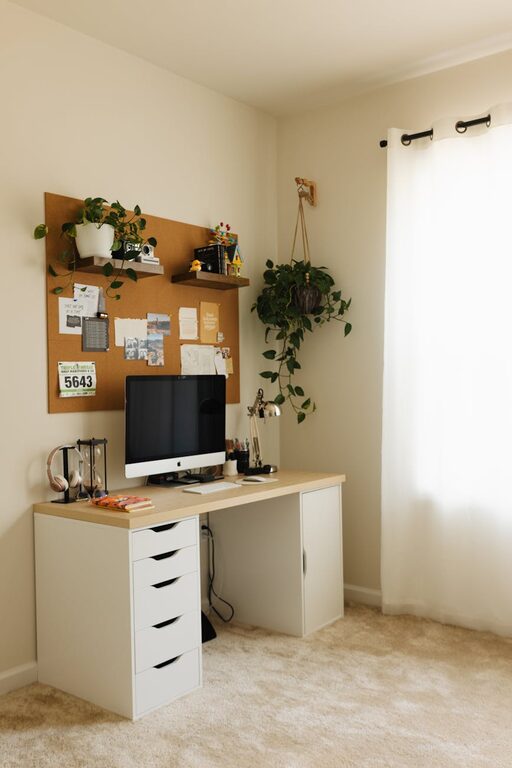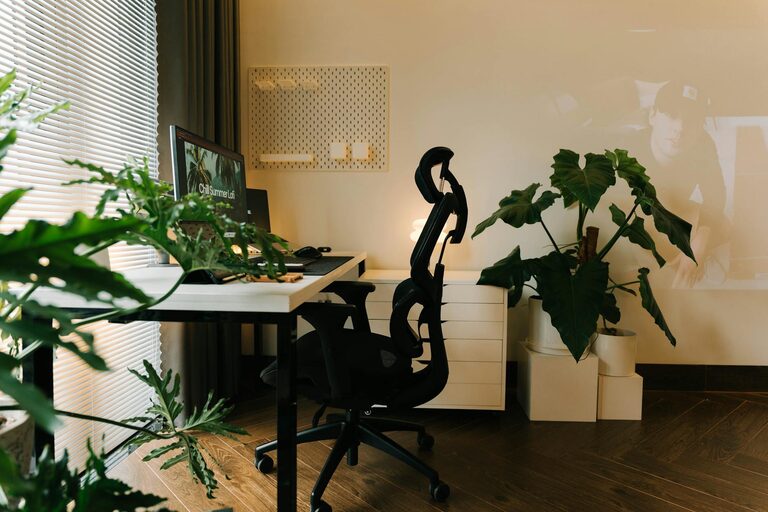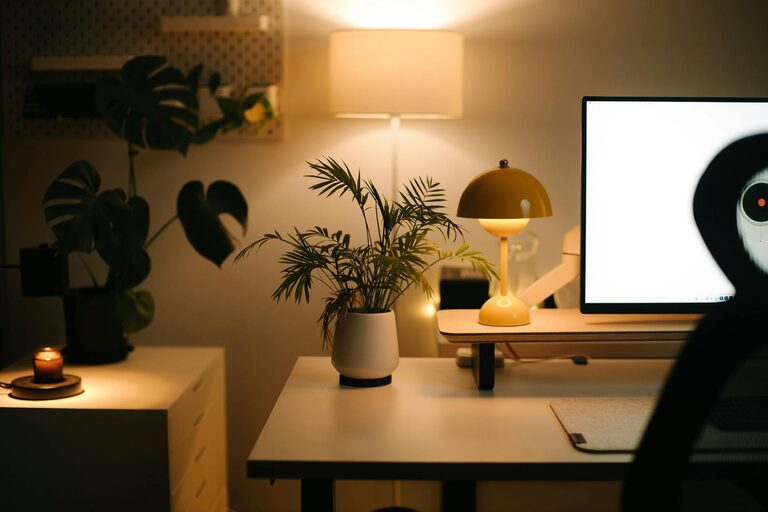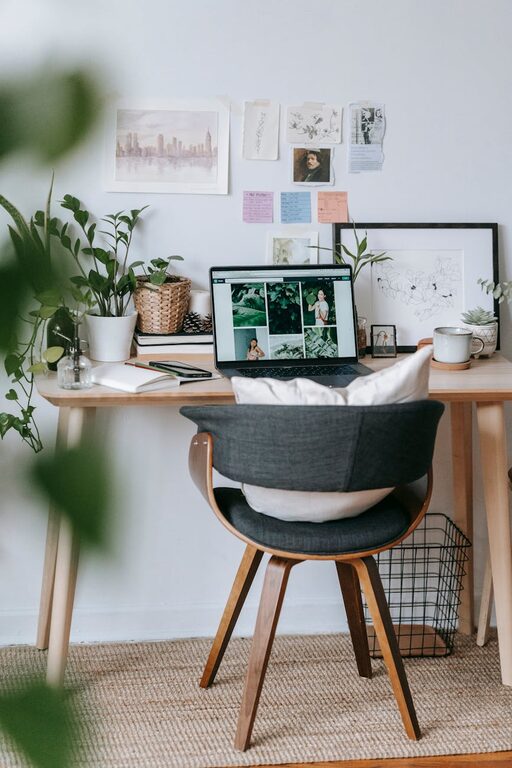


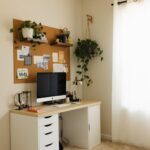

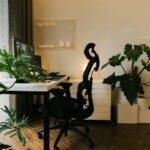
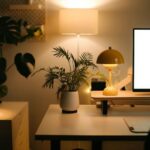
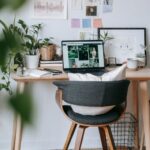

Creating a relaxing home workspace is essential for staying productive and maintaining a healthy work-life balance. Whether you work remotely full-time or occasionally take work home, your environment plays a crucial role in how focused and efficient you feel. A calming setup not only reduces stress but also helps you concentrate for longer periods. Here are some practical tips to help you design a home workspace that promotes relaxation and productivity.
Choose the Right Location
Selecting the perfect spot for your workspace is the foundation of a calming environment.
– Quiet Area: Find a place in your home that is relatively quiet and free from distractions like the TV or high-traffic zones.
– Natural Light: Position your desk near a window, if possible, to enjoy natural light, which can boost mood and energy levels.
– Separate Space: Try to designate a specific area as your workspace to help your brain associate this place with work tasks.
Invest in Comfortable Furniture
Comfort directly influences how long you can work without feeling fatigued.
– Ergonomic Chair: Choose a chair that supports the natural curve of your spine to prevent back pain.
– Adjustable Desk: A desk that can adjust in height allows you to switch between sitting and standing, which helps maintain energy.
– Desk Size: Ensure your desk has enough surface area for your computer, planner, and other essentials to keep things organized.
Keep Your Workspace Organized
A tidy workspace reduces anxiety and makes it easier to focus.
– Declutter Regularly: Remove unnecessary items from your desk each day to keep it neat.
– Use Storage Solutions: Utilize shelves, drawers, or boxes to store supplies and paperwork out of sight.
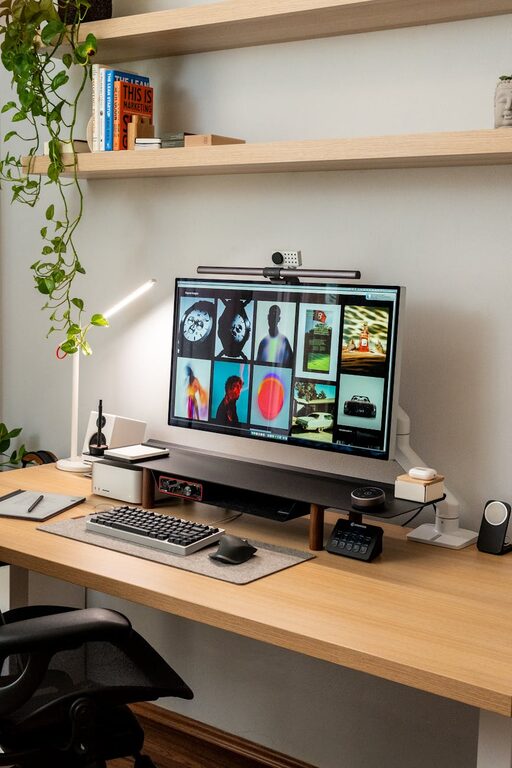
– Cable Management: Organize cords and chargers with clips or ties to prevent tangling and maintain a clean look.
Incorporate Soothing Colors
Colors can significantly affect your mood and concentration.
– Soft Neutrals: Shades like beige, soft gray, or pale blue create a calming atmosphere.
– Accent Colors: Adding touches of green or lavender through accessories or plants can enhance relaxation.
– Avoid Bright Reds or Oranges: These colors might increase alertness but could also cause stress over time.
Add Personal Touches Wisely
Personalizing your workspace makes it inviting but avoid overdoing it.
– Inspirational Art: Hang calming pictures or motivational quotes that encourage focus.
– Plants: Incorporating greenery improves air quality and adds life to the space.
– Minimal Decorations: Choose a few favorite items to display without crowding your desk.
Control Noise Levels
Noise can either help or hinder your concentration depending on its type and volume.
– Soundproofing: Use rugs, curtains, or wall hangings to reduce echo and block outside noise.
– White Noise: Consider a white noise machine or soft instrumental music to mask distractions.
– Headphones: Noise-canceling headphones are useful if you can’t control the environment noise completely.
Manage Lighting Effectively
Proper lighting is vital for both your eyesight and mood.
– Layered Lighting: Combine natural light with overhead lights and task lamps for flexibility.
– Adjustable Desk Lamp: A lamp with adjustable brightness helps reduce eye strain during long work sessions.
– Avoid Glare: Position screens and lights to minimize glare and reflections that cause discomfort.
Set Boundaries and Break Times
A relaxing workspace supports healthy work habits.
– Defined Work Hours: Set specific start and end times for your workday to prevent burnout.
– Take Breaks: Use reminders to stand up, stretch, or take a brief walk every hour to refresh your mind and body.
– Separate Work and Relaxation: When your workday ends, leave your workspace to signal the shift from work to personal time.
Use Essential Oils or Aromatherapy
Certain scents can help calm your mind and improve focus.
– Lavender or Chamomile: Known for their relaxing properties.
– Peppermint or Citrus: Can help increase alertness when needed.
– Diffuser or Candles: Use safely to maintain a pleasant atmosphere without overwhelming your senses.
Stay Hydrated and Nourished
Don’t forget about your basic physical needs, which affect concentration.
– Keep Water Nearby: Drinking water regularly helps maintain energy.
– Healthy Snacks: Fresh fruits or nuts can provide a gentle boost without causing crashes.
– Avoid Excess Caffeine: Too much caffeine may increase anxiety and disrupt focus.
—
By thoughtfully designing your home workspace with these tips, you create an environment that supports your well-being and productivity. Remember that every person’s ideal setup can be different, so feel free to experiment and adjust your space until it feels just right. A happy, relaxing workspace is a helpful step toward achieving your goals efficiently and with less stress.