


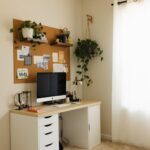








Creating a home workspace that feels both comfortable and productive can be a game changer for anyone who works from home. Whether you’re freelancing, running a business, or just need a spot for occasional work tasks, a thoughtfully arranged space helps you focus and feel at ease. Here are practical tips to help you design a cozy and efficient home office.
Choose the Right Location
Consider Natural Light
Natural light is one of the easiest ways to make your workspace inviting and energizing. Try to set up your desk near a window to enjoy daylight, which can reduce eye strain and improve mood.
Minimize Distractions
Pick a quiet corner or room where interruptions are minimal. If space is limited, consider using room dividers or noise-canceling headphones to create a focused environment.
Invest in Comfortable Furniture
Ergonomic Chair and Desk
A supportive chair that encourages good posture will keep you comfortable during long work hours. Pair it with a desk at the right height to avoid strain on your wrists or back.
Personalize Your Space
Adding cushions, a soft throw, or a comfortable rug can make your workspace feel warmer and less sterile.
Organize with Purpose
Declutter Regularly
Keep only the essentials on your desk. Use drawers, shelves, or storage bins to hide away papers and supplies that aren’t needed daily.
Use Functional Storage Solutions
Organizers, file holders, and cable management tools keep your desk tidy and prevent distractions. Labeling your storage helps you find things quickly.
Add Personal and Natural Touches
Plants
Having a few green plants nearby can improve air quality and bring a calming vibe to your office.
Meaningful Decor
Incorporate art, photos, or items that inspire and motivate you without overwhelming the space.
Optimize Lighting
Layered Lighting
Combine ambient lighting with task lights. A desk lamp with adjustable brightness can reduce eye fatigue during late work sessions.
Avoid Screen Glare
Position your monitor to minimize reflections from windows or lights, helping reduce eye strain.
Establish Work Zones
Separate Work from Relaxation
If possible, designate your workspace for work only. Avoid using it for leisure activities to build a clear mental boundary.
Zone Tasks Within Your Workspace
Use different areas or desk organizers to keep paperwork, computer work, and creative tasks distinct.
Maintain a Routine and Keep Motivated
Set Regular Breaks
Use timers or apps to remind yourself to stand up, stretch, or rest your eyes throughout the day. This helps maintain focus and reduce fatigue.
Keep a To-Do List
Writing down daily goals and crossing them off boosts productivity and provides a sense of accomplishment.
Technology Tips
Reliable Equipment
Ensure your computer, internet connection, and peripherals are dependable to avoid disruptions.
Minimize Digital Clutter
Organize files and emails regularly to keep your digital workspace as tidy as your physical one.
Final Thoughts
Designing a cozy and productive home workspace doesn’t require a complete overhaul. Small, thoughtful changes tailored to your needs can transform your work experience. Focus on comfort, organization, personal touches, and maintaining a healthy routine to create a space where you can thrive. Remember, your workspace should support both your well-being and productivity, making every workday more enjoyable.