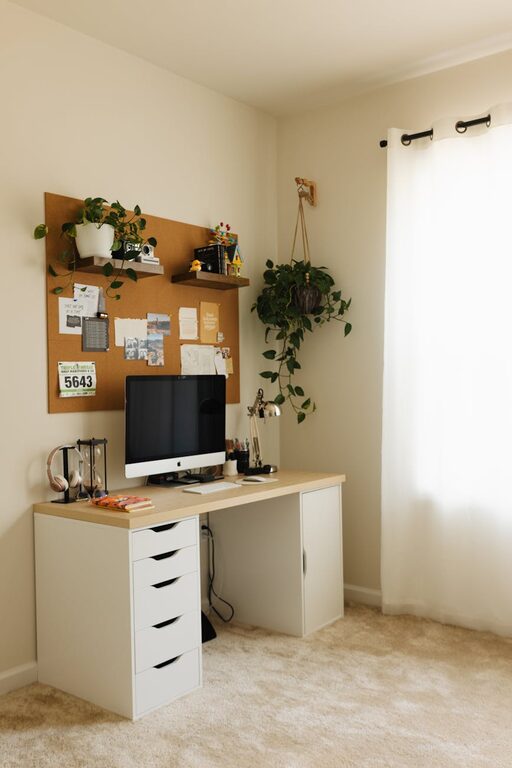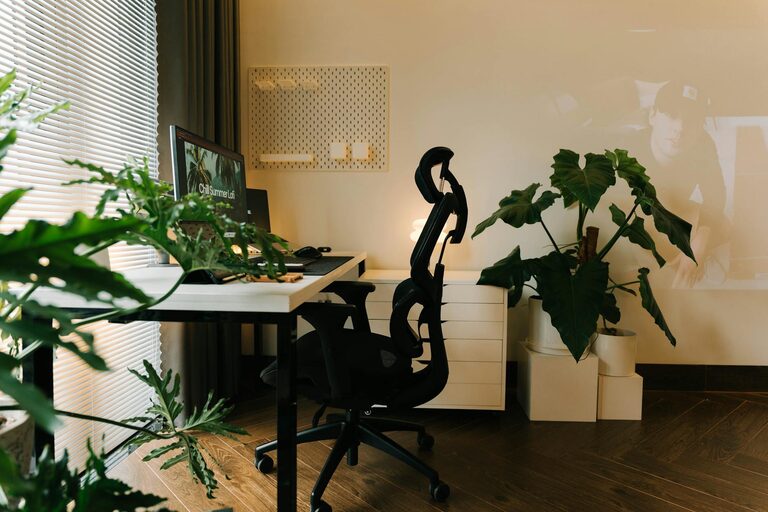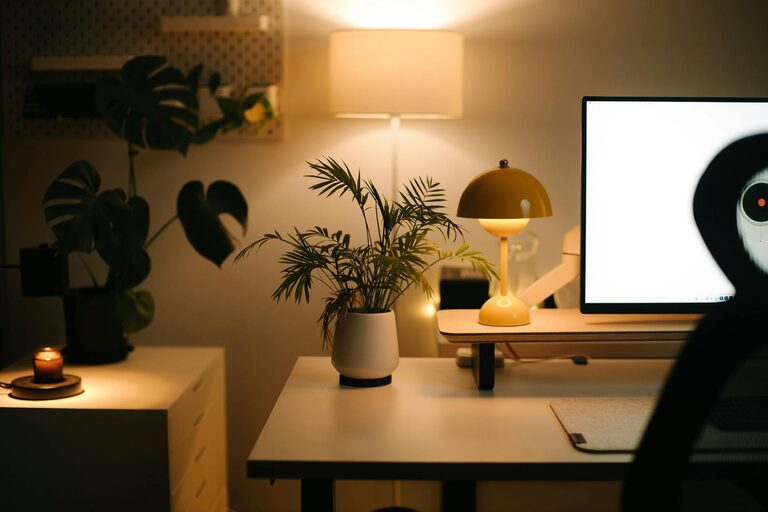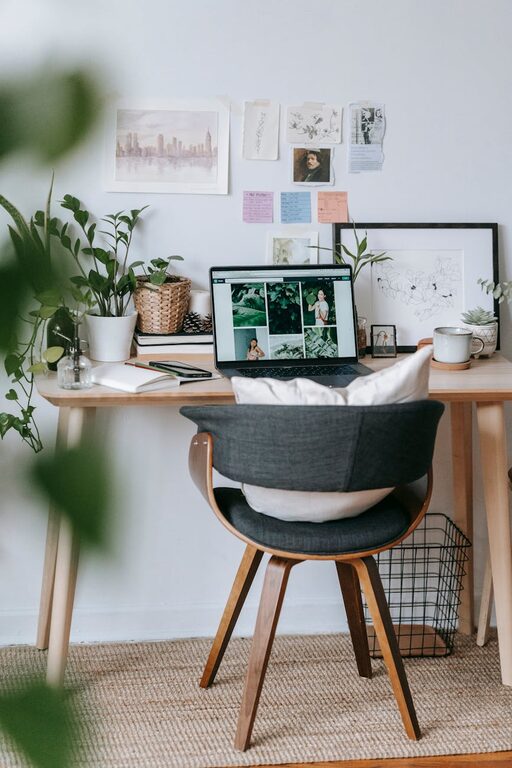


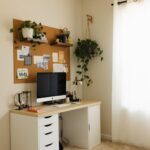







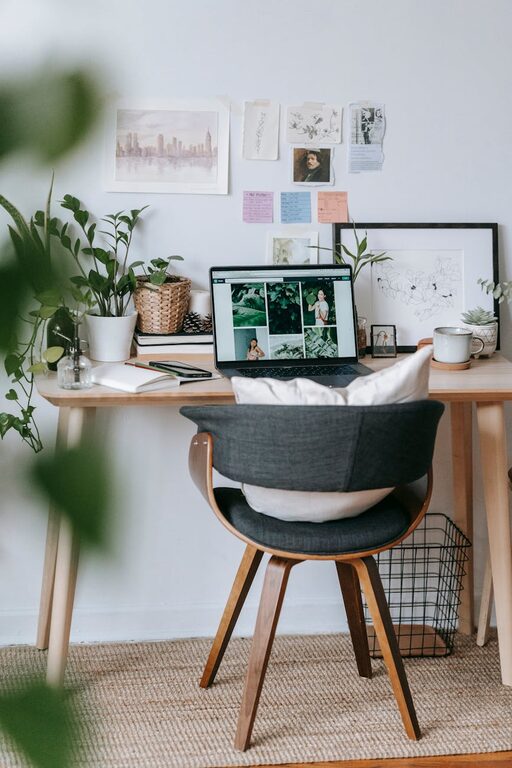
Creating a home office that feels both cozy and inspiring can make a big difference in your daily work routine. Whether you work remotely, freelance, or just need a dedicated spot for managing personal projects, having a welcoming and well-organized workspace helps improve focus, creativity, and comfort. Here are some helpful tips to turn any area into your ideal home office.
1. Choose the Right Location
The first step in setting up a great home office is picking the perfect spot. Ideally, this space should be:
– Quiet and private: Minimizing distractions helps maintain concentration.
– Well-lit: Natural light is best for reducing eye strain and boosting mood.
– Comfortable in size: Enough room for your desk, chair, and any equipment without feeling cramped.
If possible, avoid working from a bedroom or the middle of a high-traffic area. Corners of living rooms, spare closets, or unused dining areas can often be transformed into productive work zones.
2. Invest in Comfortable and Supportive Furniture
Your body will thank you for investing in furniture designed for long hours of work:
– Ergonomic chair: Look for adjustable height, lumbar support, and comfortable cushioning.
– Proper desk: Choose a desk with enough surface space for your computer, notes, and accessories.
– Consider standing options: Standing desks or adjustable sit-stand converters encourage movement, which can reduce fatigue.
Comfortable furniture supports good posture and prevents aches, making each work session more enjoyable.
3. Optimize Lighting
Light has a significant effect on productivity and comfort:
– Natural light: Position your desk near a window if possible.
– Task lighting: Use an adjustable desk lamp to focus light where you need it.
– Avoid glare: Set up screens perpendicular to windows to prevent eye strain.
Good lighting keeps you alert and reduces headaches caused by poor visibility.
4. Personalize Your Space
Adding personal touches makes your office feel welcoming and inspiring:
– Artwork or photos: Choose images that motivate or relax you.
– Plants: Indoor greenery adds a natural vibe and can improve air quality.
– Colors: Soft, warm tones contribute to comfort, while pops of bright colors can boost creativity.
– Decor: Rugs, pillows, or wall hangings can add texture and personality.
Your home office should reflect your tastes while remaining uncluttered and purposeful.
5. Organize for Efficiency
A tidy workspace leads to better focus:
– Storage solutions: Use shelves, drawers, and containers to keep supplies organized.
– Cable management: Use clips or sleeves to hide cables and prevent tangles.
– Declutter regularly: Only keep essential items on your desk to minimize distractions.
Clear organization not only looks nicer but also saves time searching for things.
6. Incorporate Functional Technology
Having the right tech tools improves productivity:
– Reliable computer and peripherals: Ensure your devices are up to date and meet your work needs.
– High-speed internet: A stable connection is essential for virtual meetings and cloud work.
– Noise-cancelling headphones: Useful if your space is noisy or for focusing during calls.
– Extra monitors: Dual screens can increase efficiency if your work involves multiple applications.
Ensure your technology setup suits your workflow and keeps you connected.
7. Create Zones Within Your Office
Dividing your space into different zones helps balance work and relaxation:
– Work zone: Desk and computer for focused tasks.
– Reading or brainstorming area: A comfortable chair or small couch for thinking or breaks.
– Storage zone: Shelves or cabinets for supplies and paperwork.
Having defined areas keeps work organized and mentally separates tasks.
8. Set Up for Comfort and Wellness
Small touches can improve well-being throughout the day:
– Temperature control: Use fans or heaters as needed to maintain a comfortable climate.
– Hydration: Keep a water bottle or glass nearby to stay hydrated.
– Break reminders: Use apps or timers to encourage short, regular breaks to stretch and move.
Taking care of your physical comfort helps sustain energy levels.
9. Establish Boundaries and a Routine
Creating mental boundaries around your home office encourages work-life balance:
– Set work hours: Define when your workday starts and ends.
– Use your office only for work: Avoid turning it into a social or relaxation space.
– Communicate boundaries: Let family or housemates know your schedule to minimize interruptions.
A consistent routine encourages productivity and reduces stress.
—
Creating a cozy and inspiring home office is about combining comfort, organization, and personal style. With these tips, you can design a space that not only helps you get work done but also makes your day more enjoyable. Start small, tweak as needed, and watch your productivity thrive in your new favorite room.